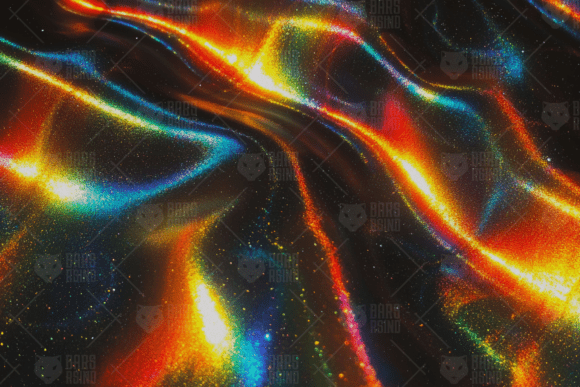
Abstract Rainbow Liquid Grain Background: Creative Integration for Modern Design Projects
Designers, marketers, and content creators are constantly seeking visual elements that stand out while maintaining professional quality. The Abstract Rainbow Liquid Grain Background offers a unique combination of fluid color movement and textured depth, making it a versatile choice for a wide range of digital and print applications. Whether used as a standalone element or layered within a more complex composition, this background supports both aesthetic appeal and functional design across multiple workflows.
Understanding the Visual Characteristics
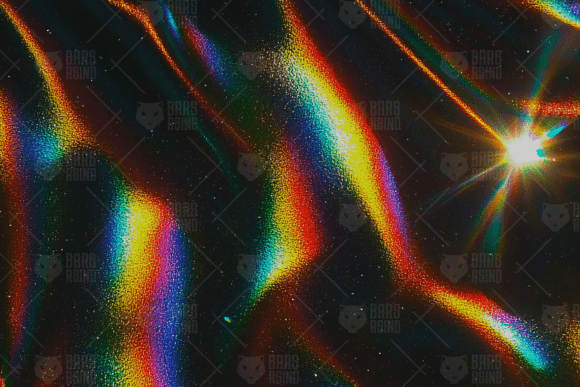
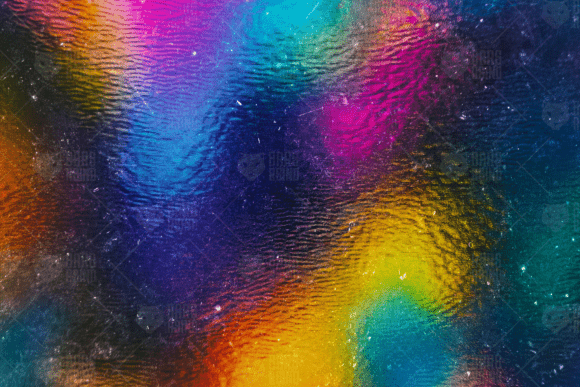
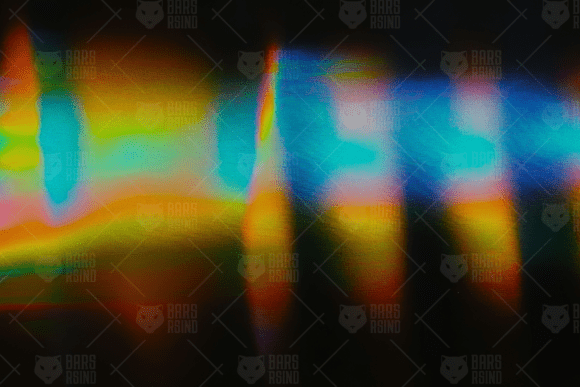
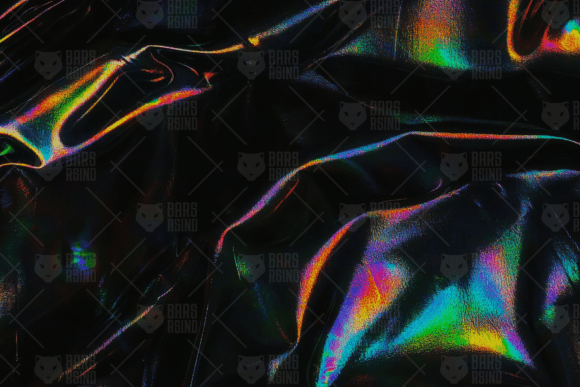
The Abstract Rainbow Liquid Grain Background features a dynamic interplay of glossy, liquid-like color flows over a finely textured surface. The dark, atmospheric base enhances the vibrancy of the shifting hues, creating a sense of depth and motion. This visual complexity is achieved through a high-resolution 6000 x 4000 px file available in JPG and PNG formats at 300 DPI — ideal for both large-scale print and digital use.
The grain effect adds a tactile, analog quality that balances the reflective nature of the liquid tones. This contrast between glossy and gritty makes the background suitable for projects that require both modern polish and a touch of organic texture. It’s particularly effective when used in designs that aim to evoke emotion, movement, or futuristic themes.
Preparation and Compatibility
Before integrating the Abstract Rainbow Liquid Grain Background into any project, it's important to assess its compatibility with your design tools and intended output. Since it comes in standard JPG and PNG file formats, it can be easily imported into Adobe Photoshop, Illustrator, Canva, Figma, and most other image editing or layout software.
- Resolution Check: Confirm that your design canvas matches the 300 DPI requirement for print or 72 DPI for digital use to maintain clarity.
- Layer Management: If using in layered compositions, ensure the background sits beneath other design elements without overpowering text or key visuals.
- Color Mode: Convert to CMYK if preparing for print, or keep in RGB for screen-based deliverables.
Proper preparation ensures that the background integrates smoothly and maintains its visual impact without slowing down your workflow or compromising output quality.
Application in Design Workflows
This background can be applied at various stages of a design project, depending on the creative intent and production timeline. Here’s how it can fit into different phases:
Early Stage: Concept and Mood Setting
During the ideation or moodboarding phase, the Abstract Rainbow Liquid Grain Background can serve as a visual reference for color palettes and stylistic direction. Its flowing colors and subtle grain can help establish a modern, experimental, or high-energy theme for branding, album art, or promotional materials.
Designers can overlay typography or icons in low opacity to test visual hierarchy and contrast. This early use allows for adjustments in color schemes or layout before committing to a final composition.
Middle Stage: Composition and Layering
Once a design direction is established, the background can be placed as a foundational layer. It works especially well in poster design, web banners, and social media visuals where visual interest is key but should not distract from the main message.
For web design, it can be used as a hero section background with semi-transparent overlays to ensure readability of text and calls to action. In print, it adds a premium feel to album covers, magazine spreads, or event flyers.
Final Stage: Output and Optimization
As the project nears completion, the final placement and scaling of the background must be reviewed. Ensure that the 6000 x 4000 px resolution allows for cropping without loss of quality, especially when repurposing the design for different platforms.
For digital use, consider exporting in optimized PNG or JPEG formats based on platform requirements. For print, confirm that the file meets bleed and margin specifications to avoid unexpected cropping.
Integration with Other Tools and Assets
The Abstract Rainbow Liquid Grain Background is not a standalone solution but works best when combined with other design assets and tools. Here are some ways to integrate it effectively:
- Adobe Creative Suite: Use layer masks and blending modes to overlay the background without overpowering other design elements.
- Canva or Figma: Upload the background as a custom image and build on top using drag-and-drop tools for quick social media posts or landing pages.
- Web Development: Implement as a background image in CSS with overlay gradients or semi-transparent color blocks to enhance readability.
- Photography and Illustration: Blend with photos or vector graphics using opacity and layer effects for a mixed-media aesthetic.
By treating the background as part of a broader toolkit, designers can maximize its visual impact while maintaining clarity and usability in the final output.
Practical Use Cases Across Industries
Because of its versatility, the Abstract Rainbow Liquid Grain Background finds applications in multiple industries and creative fields:
- Music and Entertainment: Ideal for album covers, concert posters, and streaming platform visuals where a bold aesthetic is required.
- Marketing and Branding: Use in promotional banners, email headers, or campaign visuals to draw attention without overwhelming messaging.
- Digital Art and Illustration: Acts as a dynamic backdrop for digital paintings, NFTs, or concept art.
- Website and App Design: Enhances landing pages, profile headers, or app splash screens with a modern and engaging look.
- Print Media: Adds depth and sophistication to posters, brochures, and editorial layouts.
Each use case benefits from thoughtful placement and scaling to ensure the background supports rather than overshadows the primary content.
Long-Term Usability and Organization
For professionals who work on multiple projects, maintaining an organized asset library is essential. The Abstract Rainbow Liquid Grain Background should be stored in a clearly labeled folder within your design resources, ideally with a naming convention that indicates its resolution and format (e.g., “AbstractRainbow_6000x4000px_300DPI.png”).
Consider creating a thumbnail preview or adding metadata tags for quick searchability. If using in team environments, ensure the file is accessible via shared drives or cloud storage with version control to avoid duplication or outdated use.
Because this background is high-resolution and visually rich, it may not be suitable for every project. Use it strategically in designs where its aesthetic qualities can be fully appreciated without compromising performance or clarity.
Final Thoughts on Implementation
The Abstract Rainbow Liquid Grain Background is more than just a visual asset — it’s a design tool that bridges digital polish with organic texture. When used thoughtfully, it enhances the visual storytelling of a project without overshadowing its core message. Whether you're designing a digital campaign, a print poster, or a web layout, integrating this background into your workflow can elevate your output with minimal effort.
By understanding its visual properties, preparing for compatibility, and placing it strategically within your design process, you can ensure that this background serves both aesthetic and functional purposes. As part of a broader toolkit, it supports creativity, efficiency, and consistency — essential elements for any professional or creative workflow.