Unlocking Creativity with Colorful Abstract Backgrounds: A Guide to Dynamic Design
What Are Colorful Abstract Backgrounds?
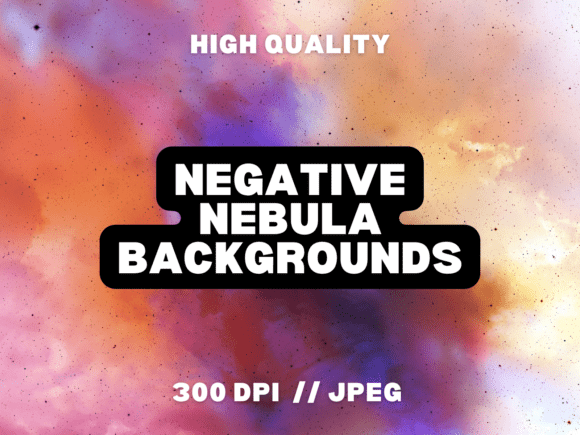
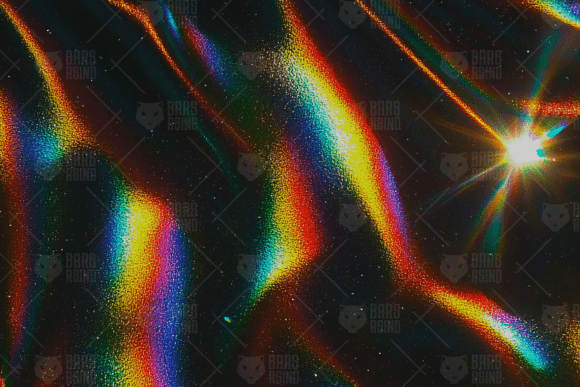
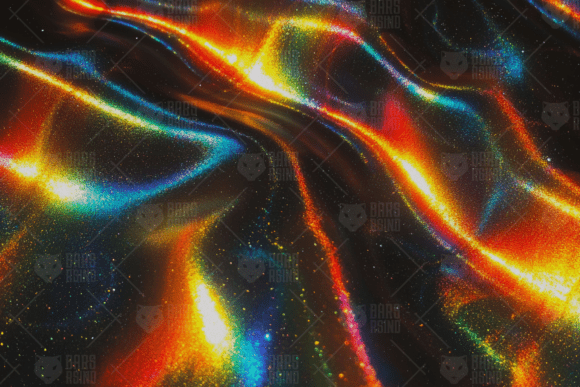
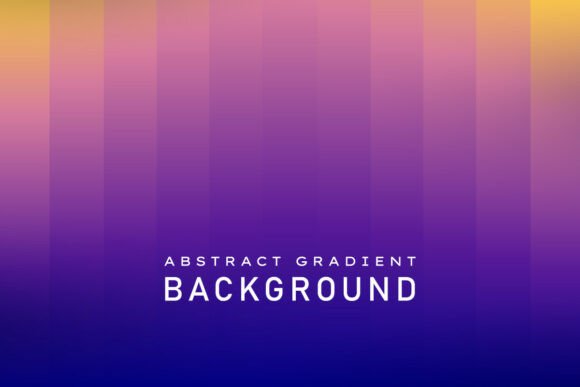
Colorful abstract backgrounds are visually engaging design elements that combine gradients, soft lines, and immersive color palettes to create a sense of depth and motion. These backgrounds are not just decorative; they serve as powerful tools for enhancing digital and print media. Whether you're designing a website header, a presentation slide, or a business card, these backgrounds can elevate your content and draw attention to your message.
Unlike traditional solid-color or patterned backgrounds, abstract designs offer a more artistic and fluid approach. They blend colors in unexpected ways, often using soft transitions and layered textures to create a sense of movement. This makes them particularly effective in modern design, where visual storytelling and user engagement are key.
Why Use Colorful Abstract Backgrounds?
There are several compelling reasons to incorporate colorful abstract backgrounds into your design projects:
- Visual Appeal: These backgrounds naturally capture attention and create a memorable first impression.
- Flexibility: They work across a wide range of formats, from web pages to printed materials.
- Brand Differentiation: Using unique, vibrant designs helps your brand stand out in a crowded market.
- Emotional Impact: Colors and abstract shapes can evoke specific emotions and set the tone for your content.
Where Can You Use Abstract Backgrounds?
One of the most exciting aspects of colorful abstract backgrounds is their versatility. Here are some of the most common and effective applications:
- Website Headers: A striking abstract background can transform a simple website header into an immersive visual experience.
- Presentation Slides: Whether you're pitching to investors or teaching a class, these backgrounds add energy and professionalism.
- Marketing Materials: Flyers, posters, and banners benefit from the dynamic feel these backgrounds provide.
- Social Media Graphics: From Instagram stories to Facebook covers, abstract designs help your content stand out in feeds.
- Business Cards: Adding a touch of abstract art to your business card can make it more memorable and impactful.
Designing for Impact: How Abstract Backgrounds Enhance Communication
In today's fast-paced digital world, attention spans are short. Designers must capture interest quickly and convey messages clearly. Abstract backgrounds help achieve this by creating a visually rich environment that supports the content without overwhelming it.
For example, a landing page using a gradient-rich abstract background can guide the viewer's eye toward a call-to-action button, subtly influencing behavior. Similarly, a presentation slide with a soft abstract texture can make text more readable and engaging, helping the audience retain information better.
Choosing the Right Abstract Background for Your Project
When selecting a colorful abstract background, consider the following factors:
- Color Scheme: Ensure the background complements your brand colors and the overall mood of your content.
- Complexity: Too much detail can distract from the main message. Choose a design that enhances, not competes with, your content.
- File Format: Make sure the background is available in the correct resolution and format for your intended use (e.g., PNG for transparency, JPG for print).
- Adaptability: Some abstract designs are more suited to web use, while others may be better for print. Choose accordingly.
How Abstract Backgrounds Fit into Modern Design Trends
Abstract backgrounds have become increasingly popular in recent years, especially with the rise of bold and expressive web design. As designers move away from minimalism and flat design, there's a growing appreciation for textures, gradients, and dynamic visual elements.
These backgrounds align well with current trends such as:
- Neumorphism: A soft, extruded plastic look that uses gradients and shadows to create depth.
- Brutalism: A raw, unpolished aesthetic that often uses bold colors and abstract textures.
- Dark Mode Designs: Abstract backgrounds can be adapted to work beautifully in dark themes, offering contrast and visual interest.
By incorporating these trends into your work, you can ensure your designs feel modern and relevant to today's audiences.
Common Misconceptions About Abstract Backgrounds
Despite their growing popularity, there are still some misconceptions about using abstract backgrounds:
- "They're too busy for professional use." — When chosen carefully, abstract backgrounds can enhance professionalism and sophistication.
- "They're only for creative industries." — These backgrounds are versatile and can be tailored to suit any industry, from finance to healthcare.
- "They're hard to integrate." — Many design tools now offer easy integration of abstract backgrounds, making them accessible to both beginners and experts.
How to Start Using Colorful Abstract Backgrounds Today
If you're ready to explore the world of abstract backgrounds, here's how to get started:
- Identify Your Purpose: Determine how and where you'll use the background (e.g., website, social media, print).
- Choose a Style: Browse collections and select a background that aligns with your brand identity and message.
- Test It Out: Preview the background with your content to ensure readability and visual harmony.
- Implement and Refine: Use the background in your project and gather feedback to make adjustments if needed.
Many platforms offer free and premium abstract background sets. Sites like Unsplash, Pixabay, and Graphic Design Junction provide high-quality options for personal and commercial use.
Conclusion: Elevate Your Designs with Abstract Artistry
Colorful abstract backgrounds are more than just beautiful images — they are powerful design tools that can transform your creative projects. Whether you're a web designer, marketer, educator, or entrepreneur, incorporating these backgrounds into your work can help you communicate more effectively, engage your audience, and stand out in a visually saturated world.
By understanding their purpose, exploring their applications, and choosing the right designs for your needs, you can unlock new levels of creativity and impact in your visual communications. So go ahead — immerse yourself in the vibrance of abstract art and take your designs from ordinary to extraordinary.